In Defense of I’ll Always Know What You Did Last Summer
When I say the words “direct-to-video sequel”, what are some thoughts that come to mind? A lower budget. A new cast of characters. A brand name with TV-movie energy. Potentially a spinoff. These thoughts are often considered with a negative connotation, but sometimes what’s overlooked is the potential for experimentation and world-building, the ability to see familiar concepts with a new lens.
During our 2025 Slasher’s Choice Awards, we took the time to reflect on the movies we’ve watched over the last year at Hack or Slash, celebrating the highs and lows of the year. I’ll Always Know What You Did Last Summer was a film that didn’t receive love from anyone but me. Instead of haunting my friends like a supernatural ghost fisherman, I decided it would be fruitful to parse out my thoughts about this feature. Some would say the pen is mightier than the hook. It’s me, I’m the some that would say.
At the start of the film we learn that the Fisherman in this entry is mythologized like an urban legend. A campfire tale to scare kids every 4th of July. In a way, this is similar to how we talk about horror movie characters in our own lives. They transcend their cinematic origins and become a way for us to bond with other fans. Narratively, setting up the Fisherman to be a larger than life tale frees up the film to not only be a “whodunnit” again, but also waves away the logistics of wondering what a fisherman from North Carolina is doing in Colorado. Their location is often cited as a point of contention by fans who want to know why a fisherman isn’t anywhere near a coast, but one of the film’s characters, Lance, suggests that their location is the reason they should feel safe in the first place. Which, as we know, ends up being a false sense of security.
They recreate the myth in their own lives, staging a fake killer attack. In the words of Roger, they even went so far as to “find the real hook from the legend” on eBay. The unintentional consequence being that their friend P.J. accidentally Tony Hawk Pro Skater’s himself to death. (If you know, you know). The inciting incident in this film is similar to the first in that it leads to the protagonists forming a pact of secrecy, but there’s an added layer of confusion, in that nobody knows why their prank went wrong in the first place. They have to sit in the mystery for a year. 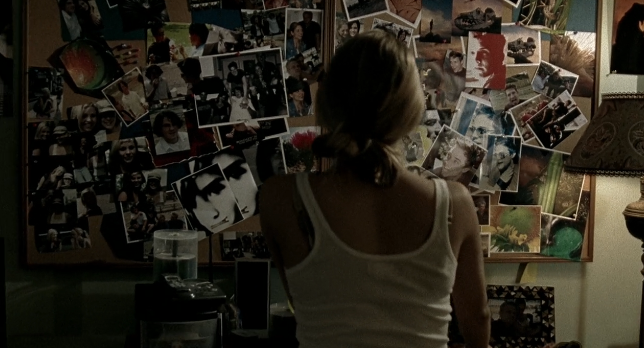
One of the things I really appreciate about the original I Know What You Did Last Summer is the reality that sometimes your post-high school aspirations fall flat and you don’t end up living the life that you expect. Helen leaves Southport behind to pursue an acting career in New York, and one year later she’s back in Southport working at her family’s department store. Sometimes your plans just don’t pan out.
I’ll Always Know What You Did Last Summer explores a similar concept, but with a branching path. Amber has aspirations to go to California, but her boyfriend Colby is one year older than her so he actually leads the way by trying to make it out there first. But when we come back to our characters after the one year time jump, Amber finds out Colby has come home earlier than she anticipated. His internship didn’t work out, additionally, it’s implied he was with other girls while he was out there. He says things changed after the night of the pact. Meanwhile, Amber is facing multiple losses at once.
Despite being haunted by the tragedy of one year ago, she’s lived with the hope that she’ll be able to move away and pursue her aspirations. Her plans are put on hold because the thing she’s been looking forward to, the person she planned on starting this new life with, isn’t going to be there. I find this to be incredibly relatable. Part of her journey going forward will be in finding new purpose and meaning. At least with a new partner.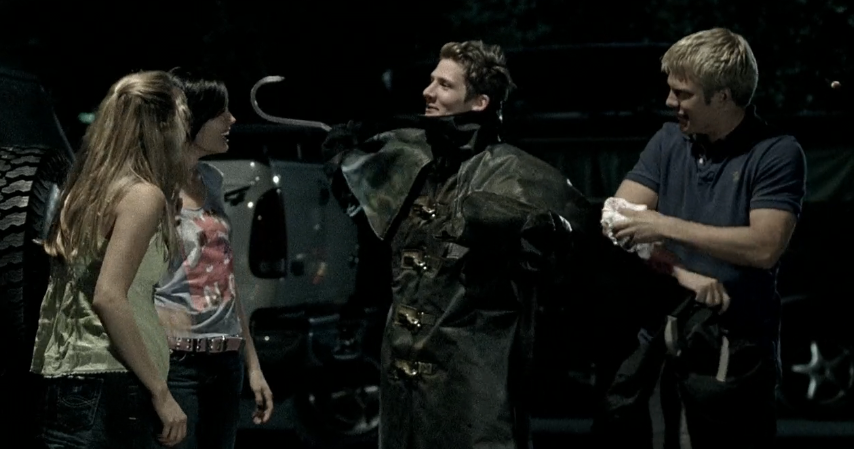
In contrast to that hope, a character like Roger has been unable to move on. He relives visions of the last 4th of July carnival in his mind. He still carries the hook around with him and contemplates self harm. He was the person who wore the Fisherman’s slicker during the fatal prank, so him being the first person in the friend group to be revisited by the Fisherman fittingly keeps the mystery of the killer’s identity going for longer, because for his friends it adds a layer of wondering whether Roger snapped and put the slicker on once again, which doesn’t end up being the case.
I believe this movie has great parallels to the first without treading old ground. A prime example is when a letter with Amber’s name on it is given prominent attention in frame. Fans of the franchise will immediately recall Julie’s letter from the first film and assume the threat of revealing a secret is within. When it ends up being a harmless letter from her parents, it’s a sigh of relief. As a fan of the franchise, you’re rewarded with the suspense of knowing what it could have been. Not to say sequels never pull a switcheroo in tense moments, but perhaps because it’s a direct-to-video sequel, the inherent low expectations may make people assume they’re going to retread “the greatest hits”. 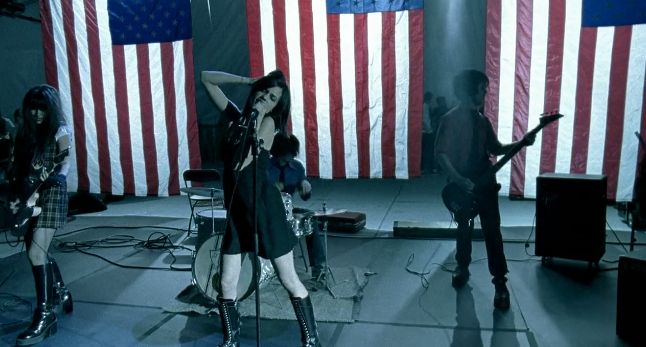
One of my favorite characters is Zoe, the musician. Whereas other characters I’ve mentioned previously have seen the risks of leaving and having to return home, you can take Zoe’s fate as a warning for leaving home too late. The night she and her friends decide to leave town there ends up being a talent agent in town who’ll watch her band perform. She decides not to leave in order to take this opportunity, which ends up being a deadly mistake. I’m sure this wasn’t the writer’s intention, but there’s something to be said about waiting too long for your life to start. Waiting for the right opportunity before you take the plunge and go.
There’s a level of self-awareness and meta commentary in Zoe’s band that I really enjoy, as well, being a longtime fan of movies like Scream. Her band is called Zoe and the Hooks and the song they perform is filled with lyrics that can be interpreted as the plot of the first film. “To the depths with you, baby. This town will never see if it could breathe at the very bottom of the sea”. The actual song is called “Daredevil” by the band Weapons of Pleasure. I’d be curious to know if it was intentionally chosen for its thematic connections.
Visually, there were a lot of things I liked in this film. Compositionally, anyway. There were cemetery shots where sunlight reflected off the lens that were really nice. A few shots from the ground were looking up through tall grass. Amber is a photographer and it seemed as though there were a few shots that were seen from her POV, looking up at the sky. Color-wise, this movie has a lot of brown and gray tints, and maybe that’s a fair criticism for people looking for a brighter palette.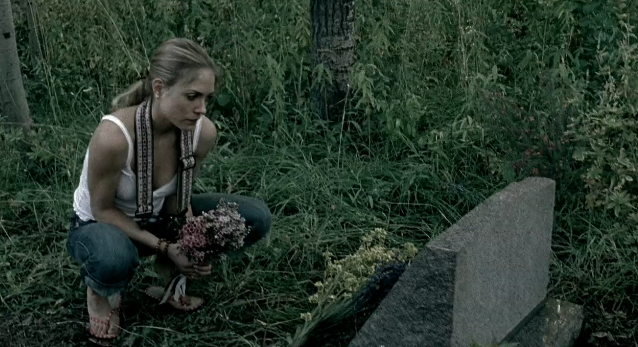
The killer reveal at the end of the movie is refreshing in that not often does a plot twist involve a genre change. Going back to something I said near the start of this treatise, the killer being mythologized and turned into something more supernatural than a man from Southport means the character’s experiences, in a cool way, reflect in our own. They’ve taken the events from 1997 and given them new life, just like we do when we talk about our love of certain franchises. Or write blogs about them.
One of the Fisherman’s weaknesses is being struck by his own hook. An interesting reading of this scenario, if you’re someone like me who digs too deeply into films, is that the hook represents the weight of his own legacy’s expectations. His own weapon can damage him in the same way that the fans expectations for a franchise based on previous entries can predispose them to wanting a specific movie.
Let me reel this in. This movie turns 20 years old in 2026 so it’s fitting I pen this love letter now. You can pry my enjoyment of this movie from my cold, steel hooks. Even if you put my supernatural visage through a wood chipper, I would still find a way to send 50 text messages to your Motorola flip phone to tell you about it.

Historian | Found Footage Fanatic | Twilight Historian

Announcing The 2026 Horror Games